Types of Landscapes, What is Landscape, and | Types of Landscape Trees
It’s now easy to have a slice of stunning nature around your small home or workplace. Landscape companies in Egypt can bring nature to you instead of you having to go to it. This is achieved through various and diverse landscape types, which help you achieve the best and most stunning natural views and decorations, using various tools, whether plants or landscape trees.
What is Landscape?
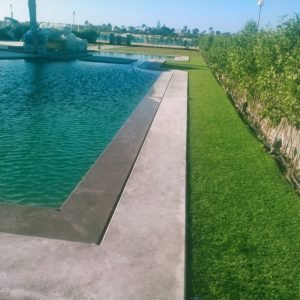
Landscape is the art of codifying nature and utilizing it aesthetically through the most beautiful and wonderful natural designs, which emerge in the form of natural landmarks, plant life, or animals. This vision is embodied through a landscape drawing that illustrates how to use different types of grass and artificial turf to coordinate the garden decor of homes, villas, nurseries, and schools. Softscape is one of the best types used for this purpose, while hardscape is used for arranging pergolas, swimming pools, and fountains to achieve the best results.
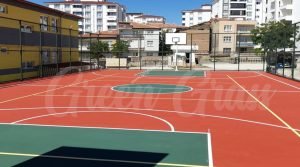
If you’re looking for the best types of landscaping for playgrounds and gardens, Greengrass offers you innovative solutions and the highest quality standards. Contact us now to equip your sports and garden projects with the latest technologies.
What is the Importance of Landscape?
Now that we understand what landscape is, we’ll explore its importance beyond mere aesthetics. Landscape has a significant impact on our daily lives, both personally and collectively. It provides a relaxing natural environment that helps relieve stress and achieve mental well-being, contributing to an overall improved quality of life.
Landscape also plays a vital environmental role by increasing green spaces that contribute to supporting biodiversity. Furthermore, it helps reduce pollution levels and improve air quality, enhancing the health of individuals and communities. Through distinctively designed gardens and open areas, these spaces can become a vital source of fresh air and connection with nature.
Landscape Elements
Landscape is the art and technology of landscaping outdoor spaces that combine nature and architectural design to create an integrated environment. A landscape garden requires multiple elements that work together to enhance the appearance of the space and increase its aesthetic and functional value.
1. Plants: These are the essential element of landscape design, adding life and color to a space. They are carefully selected based on the climate and soil type, including trees, perennials, and flowers, all of which play a role in enhancing the overall atmosphere of the garden or space.
2. Water features: Such as ponds and waterfalls, are an aesthetic addition and promote tranquility. They give the space an attractive and soft feel, while enhancing the surrounding environment.
3. Natural materials: Such as rocks and sand, are used to create attractive contrasts and provide areas for sitting or contemplation. They also give the space a sustainable, natural feel.
4. Lighting and outdoor furniture: These complement the rest of the landscape elements, adding touches of comfort and practicality, especially in the evening. With these elements, the landscape becomes more than just coordination; it is an integrated visual and environmental experience.
Landscape Design Steps
Landscape design is a meticulous process that requires comprehensive planning and careful analysis of the space. The first step in design begins with determining the purpose of the project: is it to enhance aesthetics, or to increase functionality and recreational spaces? Based on this determination, appropriate landscape types are selected that will complement the surrounding environment.
One of the key factors in landscape design is choosing the right types of trees. Whether evergreens or seasonal flowers, trees greatly impact the aesthetic appearance and overall environment of a space. Therefore, trees must be carefully selected according to the climate and location.
Next, circulation paths, open areas, and gardens must be defined, as these factors influence how people navigate within the space. Landscape work also includes identifying other elements such as water features, rocks, and outdoor furniture to balance the design.
Finally, lighting is an essential part of the design, giving the space a magical touch in the evening and beautifully highlighting the landscape details. Ultimately, the goal of landscape work is achieved by harmonizing all these elements in a way that provides comfort and visual convenience.
Some Types of Trees Used in Garden and Landscape Design
Now that we have learned what landscape is and its importance in landscaping outdoor spaces and enhancing the surrounding environment, we will now list some details that contribute to the completion of this work. Landscape design is not simply adding plants or trees; it is an integrated design process aimed at creating a comfortable and harmonious natural environment.
Choosing the right trees is an essential element in landscaping, as they add an aesthetic touch and contribute to enhancing the surrounding environment. Here are some commonly used tree species:
1. Palm trees: They add a tropical touch and are ideal for dry areas and hot climates. They are decorative trees that enhance the overall appearance of the space.
2. Lemon trees: They are a wonderful addition to small spaces, adding a fragrant touch and distinctive color to the landscape.
3. Cedar trees: They are an excellent choice for large gardens, especially those experiencing changes in weather, as they are adaptable to harsh environments.
4. Flower trees: Such as the jasmine tree, which not only adds bright colors but also emits a refreshing, relaxing scent.
Carefully selecting these trees according to the characteristics of the location and climate contributes to the overall environment and ensures successful coordination in landscape projects.
Trees used in landscaping
There are many types of ornamental trees for gardens, the most popular of which are the Christmas tree, pine tree, conifer tree, and palm tree.